
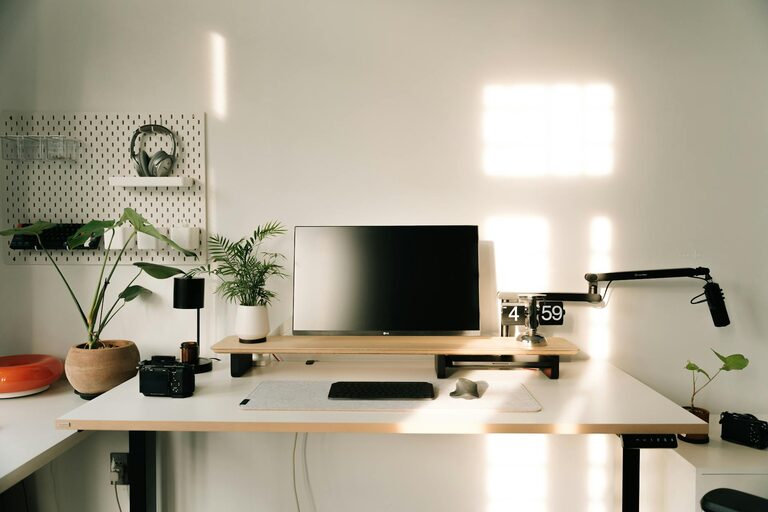
Creating an organised and productive home workspace is essential in today’s world, especially as many of us spend more time working remotely or juggling multiple tasks at home. A well-thought-out workspace can help improve concentration, reduce stress, and enhance overall work quality. Whether you have a dedicated room or just a small corner to work from, these tips will help you build an environment that supports your productivity and keeps distractions at bay.
Why an Organised Workspace Matters
A cluttered or poorly arranged workspace can quickly lead to frustration and decreased efficiency. When everything has a place and your tools are easy to find, you save time that would otherwise be spent searching for documents or dealing with distractions. Moreover, a tidy area promotes a clearer mind and motivates you to stay focused throughout your workday.
Choosing the Right Location
Find a Quiet Spot
Select a space with minimal distractions. Ideally, this should be away from high-traffic zones in your home, such as the kitchen or living room. If noise is unavoidable, consider noise-cancelling headphones or adding soft furnishings to absorb sound.
Consider Natural Light
Position your desk close to a window to take advantage of natural daylight. Natural light boosts mood and energy levels, helping you stay alert. If natural light is limited, invest in good quality artificial lighting that mimics daylight.
Essential Furniture and Equipment
An ergonomic and functional setup can make a significant difference.
– Desk: Choose a desk with enough surface area to accommodate your computer, paperwork, and other essentials without feeling cramped.
– Chair: Invest in an adjustable, comfortable chair that supports good posture. Sitting for long periods can cause back strain if your chair is inadequate.
– Storage: Use shelves, filing cabinets, or organisers to keep documents and office supplies neatly arranged and within reach.
Organisational Tips for a Clutter-Free Desk
Keep Only What You Need
Remove unnecessary items from your workspace. Only keep essentials on your desk, such as your computer, a notebook, and a pen.
Use Organisers and Storage Solutions
Desktop organisers help you categorise and store smaller items like stationery, charging cables, and sticky notes. Label folders and boxes to make it easy to put things away quickly.
Regular Decluttering
Set a weekly or biweekly routine to clear your workspace. Get rid of old papers, receipts, or broken equipment, and tidy cables using clips or ties.
Creative Ways to Personalise Your Space
Add some personality to your area without overcrowding it.
– A small plant can improve air quality and provide a calming effect.
– Personal photos or artwork can make the space inviting and motivate you.
– Use a corkboard or whiteboard to pin reminders, goals, or inspirational quotes.
Setting Boundaries to Boost Productivity
Working from home can blur boundaries between work and personal life. To maintain a productive mindset:
– Define your work hours and stick to them.
– Inform family or housemates of your schedule to minimise interruptions.
– Keep work-related materials confined to your workspace.
Using Technology Efficiently
Make sure your technology supports productivity:
– Keep your computer, software, and apps updated.
– Use cloud storage for easy access to files.
– Reduce digital clutter by organising emails and documents into folders.
Time Management Strategies
Pair your organised space with effective time management.
– Use a planner or digital calendar to schedule tasks and breaks.
– Consider techniques like the Pomodoro method (working in focused intervals with breaks) to maintain concentration.
– Prioritise tasks to tackle the most important ones when you’re most alert.
Maintaining Your Home Workspace
An organised workspace needs ongoing effort.
– Spend a few minutes at the end of each day straightening your desk.
– Refresh your setup occasionally by rearranging items or adding new organisational tools.
– Evaluate your workspace every few months to ensure it continues to meet your needs.
—
In summary, creating an organised and productive home workspace involves thoughtful planning, good furniture choices, decluttering routines, effective boundary-setting, and smart use of technology. By investing time and attention into your work environment, you’ll enjoy increased efficiency, reduced stress, and a better work-life balance even when working from home.
