
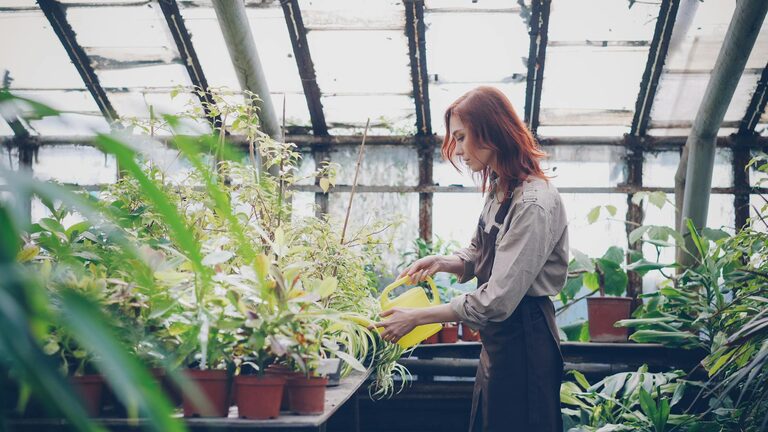
Creating a sustainable home garden is a rewarding way to connect with nature, reduce environmental impact, and enjoy fresh produce or beautiful plants throughout the year. Whether you have a small balcony, a backyard, or a community garden plot, following some key principles can help you maintain a thriving and eco-friendly garden through every season.
Understanding Sustainable Gardening
Sustainable gardening means growing plants in a way that is environmentally responsible, conserves resources, and supports biodiversity. This approach focuses on minimising waste, avoiding harmful chemicals, and creating a garden ecosystem that sustains itself naturally.
Planning Your Year-Round Garden
1. Choose the Right Plants
Select native plants or varieties well-suited to your local climate. These plants typically require less water, fertilisers, and protection from pests.
– Opt for perennials that return every year, saving planting time.
– Include a mix of fruit, vegetables, herbs, and flowers to attract beneficial insects.
– Consider companion planting to improve growth and natural pest control.
2. Plan for Seasonal Changes
Create a planting calendar that coordinates with your region’s seasons. This ensures continuous harvests and reduces the chance of bare soil, which can lead to soil erosion.
– Rotate crops to maintain soil nutrients.
– Plant cover crops during off-seasons; they improve soil structure and suppress weeds.
Soil Care for Sustainable Growth
Healthy soil is the foundation of a sustainable garden.
1. Composting
Make your own compost using kitchen scraps, garden waste, and leaves. Compost enriches the soil, improves moisture retention, and reduces waste sent to landfill.
– Set up a compost bin or pile in a convenient spot.
– Turn your compost regularly to speed decomposition.
2. Mulching
Apply organic mulches such as wood chips, straw, or grass clippings around plants.
– Mulch conserves moisture, suppresses weeds, and protects soil from temperature fluctuations.
3. Avoid Chemicals
Minimise or eliminate synthetic fertilisers and pesticides. Instead, use natural methods to feed and protect your plants.
Water Wisely
Water management is key in sustainable gardening.
– Water early in the morning or late in the evening to reduce evaporation.
– Use rainwater collection systems, such as barrels, to harvest natural precipitation.
– Employ drip irrigation or soaker hoses to deliver water directly to roots, conserving water.
Encouraging Biodiversity
A diverse garden supports pollinators, predators of pests, and overall ecosystem health.
– Plant a variety of flowering plants that bloom at different times.
– Create habitats such as log piles or bee hotels for beneficial insects and small wildlife.
– Avoid removing all weeds; some serve as food sources.
Managing Pests Naturally
Promote natural pest control by encouraging predator species like ladybirds and birds.
– Use companion planting to deter pests; for example, marigolds can repel certain insects.
– Remove pests by hand when practical.
– Use organic sprays made from neem oil or garlic if necessary, but sparingly.
Winter and Off-Season Care
Don’t let your garden rest empty during colder months.
– Grow hardy greens like kale and winter lettuces.
– Use cold frames or cloches to extend the growing season.
– Plant bulbs and trees that provide garden structure and wildlife value in winter.
Reusing and Recycling Materials
Incorporate reused or recycled materials to reduce waste and cost.
– Use old containers or pallets for raised beds.
– Repurpose kitchen scraps as mulch or compost ingredients.
Enjoying the Fruits of Your Labour
A sustainable garden not only benefits the environment but also your wellbeing.
– Harvest produce regularly to encourage continued growth.
– Share surplus with friends and neighbours to build community.
—
Maintaining a sustainable home garden throughout the year is a journey that nurtures both nature and the gardener. By planning thoughtfully, caring for the soil, managing resources wisely, and encouraging biodiversity, your garden can thrive season after season with minimal impact on the planet. Happy gardening!
